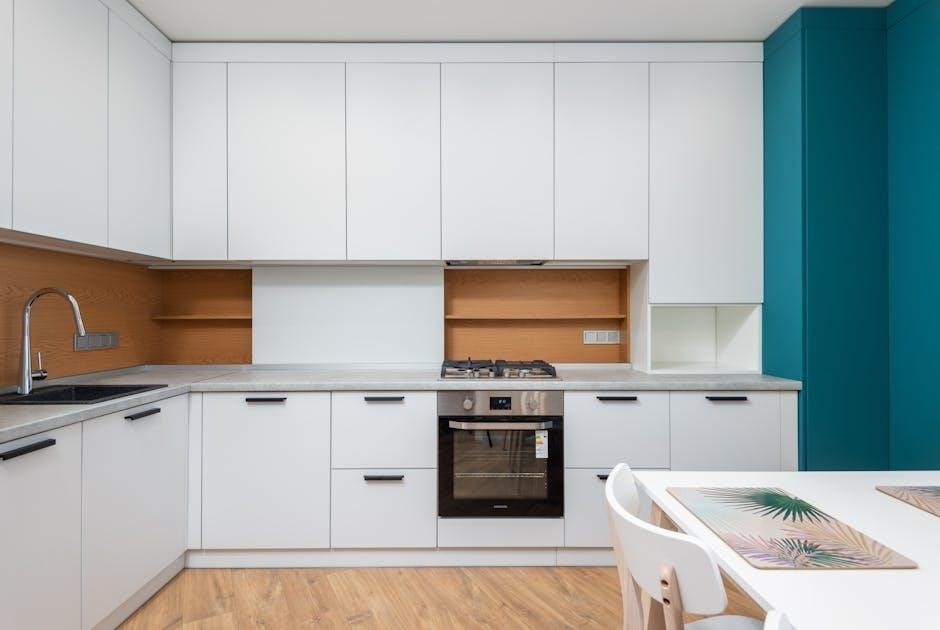
Hotpoint Gas Oven Manual: A Comprehensive Guide
This manual provides essential guidance for Hotpoint gas oven operation, installation, safety, and maintenance. It covers everything from initial setup to troubleshooting common issues, ensuring optimal performance.
Welcome to the world of convenient and efficient cooking with your new Hotpoint gas oven! This appliance is designed to deliver exceptional performance and reliability for years to come. Before you begin, please take the time to carefully read this manual. It contains vital information regarding the safe operation, installation, and maintenance of your oven. Understanding these guidelines will ensure optimal cooking results and prevent potential hazards.
This guide covers essential aspects, including proper ventilation, gas and electrical connections, and detailed operating instructions. Familiarize yourself with the control panel and various cooking modes, such as bake, broil, and the Solarplus grill setting.
Understanding Oven Components
Your Hotpoint gas oven comprises several key components working in harmony to deliver consistent cooking results. The gas burner and ignition system are central to heat generation, ensuring reliable start-ups. Durable oven racks provide stable support for cookware, while the interior lighting illuminates the cooking process. The control panel serves as the command center, allowing precise temperature and timer settings.
Familiarizing yourself with these elements is crucial for effective operation. Understanding their functions will aid in troubleshooting and maintenance, maximizing your oven’s lifespan and performance. Regular inspection of these components is recommended.
Gas Burner and Ignition System
The Hotpoint gas oven’s burner utilizes natural gas or propane to generate heat for cooking. A reliable ignition system, often employing a spark or glow bar, initiates combustion; Proper gas flow is essential for consistent flame size and even heating. Regularly inspect the burner for obstructions, such as food debris, which can impede performance.
Ensure the ignition system functions correctly; a weak or absent spark indicates a potential issue. Maintaining a clean burner and functional ignition system guarantees efficient and safe oven operation. Any gas-related concerns require immediate attention from a qualified technician.
Oven Racks and Interior Lighting
Hotpoint gas ovens feature adjustable racks allowing versatile placement of cookware for optimal cooking results. Ensure racks are securely positioned before use. The interior lighting facilitates easy monitoring of food without opening the oven door, conserving heat and energy. Typically, a standard incandescent or halogen bulb provides illumination.
To replace the bulb, disconnect power before accessing the fixture. Regularly check rack stability and lighting functionality. Proper rack positioning and a working light enhance the overall cooking experience and ensure food is cooked to perfection.
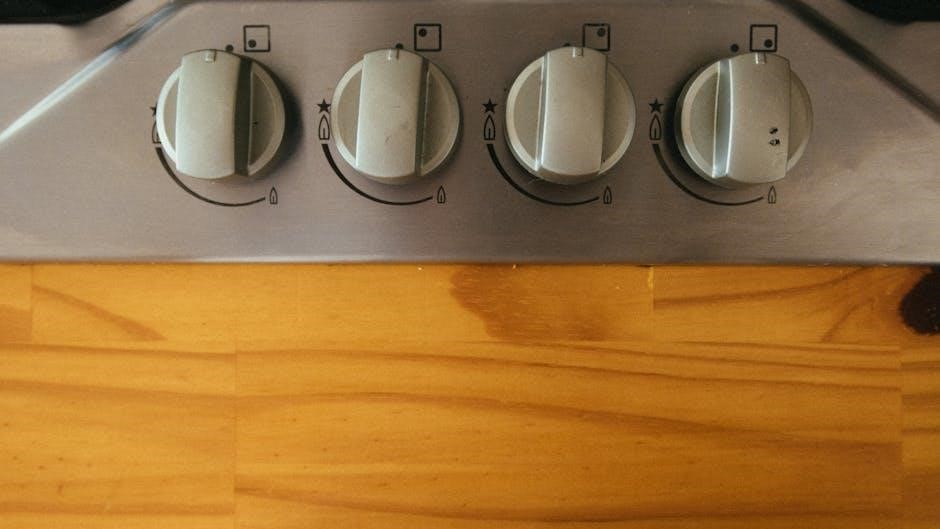
Control Panel Overview
The Hotpoint gas oven control panel is designed for intuitive operation. It typically includes knobs or digital displays for temperature setting, cooking mode selection (Bake, Broil, Solarplus Grill), and timer functions. Familiarize yourself with each control’s purpose before operation. Digital models may offer features like delay start and precise temperature control.
Understanding the panel’s layout ensures efficient and accurate cooking. Refer to the panel’s markings for specific mode descriptions. Proper use of the controls guarantees optimal performance and desired cooking outcomes. Always double-check settings before initiating a cooking cycle.
Safety Precautions
Prioritize safety when using your Hotpoint gas oven. Always ensure adequate room ventilation to prevent carbon monoxide buildup, as detailed in the operating instructions. Never use the oven for heating a room. Electrical safety is paramount; the appliance must be properly earthed to avoid shocks.
Inspect gas connections regularly for leaks. Do not attempt repairs yourself; contact a qualified technician. Keep flammable materials away from the oven. Supervise children when the oven is in use. Follow all warnings outlined in this manual to ensure safe operation.
Gas Safety Warnings
Critical gas safety precautions are essential for your Hotpoint oven. A gas smell indicates a potential leak – immediately shut off the gas supply and ventilate the area. Do not operate any electrical switches, as this could ignite the gas. Never store flammable items near the oven.
Ensure proper gas connection procedures are followed during installation. Regular inspection of the gas supply line is crucial. Only qualified technicians should perform gas appliance repairs. Ignoring these warnings could result in fire, explosion, or carbon monoxide poisoning.
Electrical Safety Guidelines
Prioritize electrical safety when installing and using your Hotpoint gas oven. This appliance must be properly earthed to prevent electric shock. Never operate the oven with a damaged power cord or plug. Disconnect the oven from the power supply before cleaning or performing any maintenance.
Avoid using extension cords or adapters. Ensure the electrical connection details match the oven’s specifications. If you suspect an electrical fault, immediately disconnect the power and contact a qualified electrician. Improper electrical work can lead to serious hazards.
Proper Ventilation Requirements
Adequate ventilation is crucial for safe gas oven operation. Hotpoint ovens produce combustion fumes that must be effectively removed. Ensure the room where the oven is installed has sufficient airflow to prevent the buildup of harmful gases. Follow all local gas and ventilation codes.
Pay close attention to “Room Ventilation” guidelines in the full manual. Never block or obstruct ventilation openings. Proper disposal of combustion fumes is essential for preventing carbon monoxide poisoning and maintaining air quality. Regular checks of ventilation are recommended.
Installation Instructions
Careful installation is vital for optimal performance and safety. Begin by Positioning and Leveling the oven, ensuring it sits firmly on a stable surface. Next, proceed with the Gas Connection Procedures, strictly adhering to local gas regulations and utilizing qualified personnel.
Follow the Electrical Connection Details, verifying correct voltage and grounding – this appliance must be earthed! Refer to the detailed manual for specific instructions. Improper installation can lead to hazardous conditions; professional assistance is strongly advised.
Positioning and Leveling the Oven
Proper positioning ensures safe and efficient operation. Select a location with adequate ventilation, away from flammable materials. Carefully place the oven, ensuring sufficient space for airflow and servicing. Utilize a spirit level to verify the oven is perfectly level – both front-to-back and side-to-side.
Adjust the leveling feet as needed until the oven is stable and doesn’t wobble. An unleveled oven can cause uneven cooking and potential safety hazards. Refer to the detailed diagrams in the manual for precise leveling instructions.
Gas Connection Procedures
Gas connection must be performed by a qualified and licensed gas technician. Never attempt this yourself! Ensure the gas supply to the oven is turned OFF before commencing any connection work. Verify the gas type (natural gas or propane) matches the oven’s requirements, as specified on the rating plate.
Use new, approved flexible gas connectors and appropriate pipe joint compound. Thoroughly check all connections for leaks using a soap solution – bubbles indicate a leak. Follow all local gas codes and regulations meticulously. A faulty gas connection poses a serious safety risk.
Electrical Connection Details
This appliance must be properly earthed (grounded) for safety. Electrical connection should be performed by a qualified electrician, adhering to local electrical codes. Before connecting, ensure the voltage and frequency match the oven’s specifications found on the rating plate.
Use a dedicated circuit breaker of the appropriate amperage. Improper wiring can create a fire hazard or damage the oven. Never use extension cords or adapters. Verify the power supply is switched OFF during installation. A secure and correct electrical connection is crucial for safe operation.
Operating Instructions
Before first use, ensure the oven is correctly installed and all packaging is removed. To light the oven burner, follow the specific instructions detailed in the manual, typically involving turning the control knob to the ‘light’ position and pressing the ignition button. Setting the oven temperature requires rotating the control knob to the desired degree.
Utilize the oven timer for precise cooking durations; ensure it’s set to ‘manual’ if not using automatic functions. Always preheat the oven before baking for consistent results. Refer to cooking guides for recommended temperatures and times.
Lighting the Oven Burner
To ignite the gas oven burner, first ensure all burner ports are clear and unobstructed. Rotate the oven control knob to the ‘Light’ or ‘Bake’ setting, depending on your model. Simultaneously, press and hold the ignition button. You should hear a clicking sound as the igniter sparks. Continue holding the knob and button for several seconds, allowing the gas to flow and ignite.
If the burner doesn’t light within 10-15 seconds, release both knobs and wait five minutes before attempting again to prevent gas buildup. Always observe the flame to confirm proper ignition.
Setting Oven Temperature
To set the desired oven temperature, rotate the oven control knob to the corresponding degree marking. Hotpoint gas ovens typically range from 170°F to 550°F. Allow sufficient preheating time – usually 10-15 minutes – before placing food inside. The oven indicator light will cycle on and off once the set temperature is reached, maintaining consistent heat.
For accurate cooking, avoid opening the oven door frequently during baking, as this can cause temperature fluctuations. Refer to your recipe for specific temperature recommendations.
Using the Oven Timer
The Hotpoint oven timer allows for convenient cooking management. To set the timer, rotate the timer knob clockwise to the desired cooking time. The timer will automatically shut off the oven when the set time expires, preventing overcooking. Ensure the timer is set to “Manual” for standard operation.
Some models feature a delayed start function, enabling you to program the oven to begin cooking at a later time. Always double-check the timer setting before starting, and never rely solely on the timer for safety.
Cooking Modes Explained
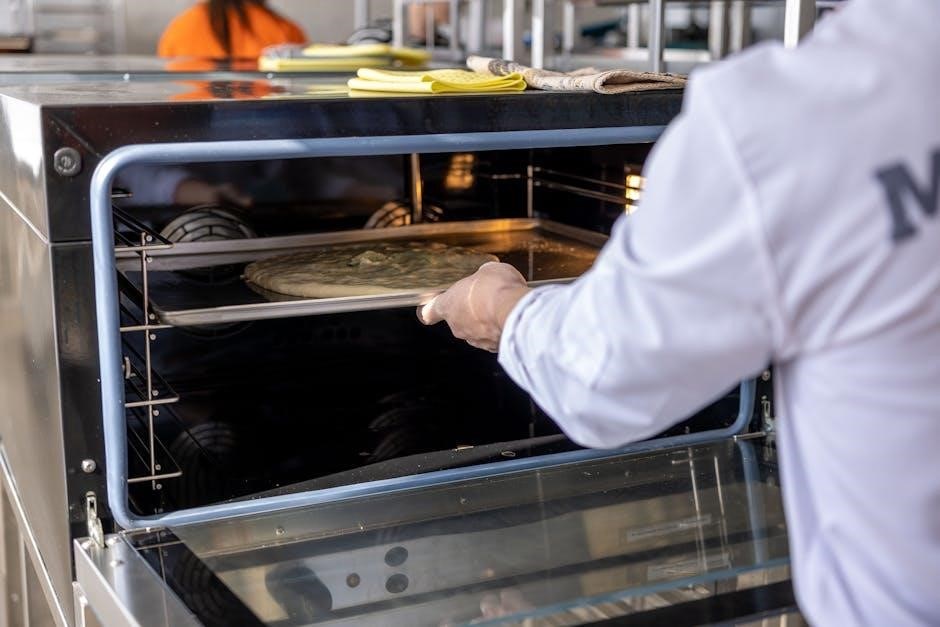
Hotpoint gas ovens offer versatile cooking modes for diverse culinary needs. The Bake Mode provides consistent heat for even cooking of cakes, cookies, and casseroles. Broil Mode utilizes high, direct heat from above, ideal for browning and finishing dishes.
Certain models include the Solarplus Grill Setting, a high-speed grill offering rapid and efficient cooking. Understanding each mode’s functionality ensures optimal results. Refer to your specific model’s manual for detailed instructions and recommended temperatures for each cooking mode.

Bake Mode Functionality
Bake mode on your Hotpoint gas oven delivers consistent, all-around heat, making it perfect for a wide range of cooking tasks. This mode is ideal for baking cakes, cookies, breads, and roasting meats and vegetables. Heat is generated from the bottom burner, circulating evenly throughout the oven cavity.
For best results, preheat the oven thoroughly before placing food inside. Adjust the temperature according to your recipe, and utilize oven racks positioned in the center for uniform cooking. Bake mode ensures reliable and predictable results every time.
Broil Mode Operation
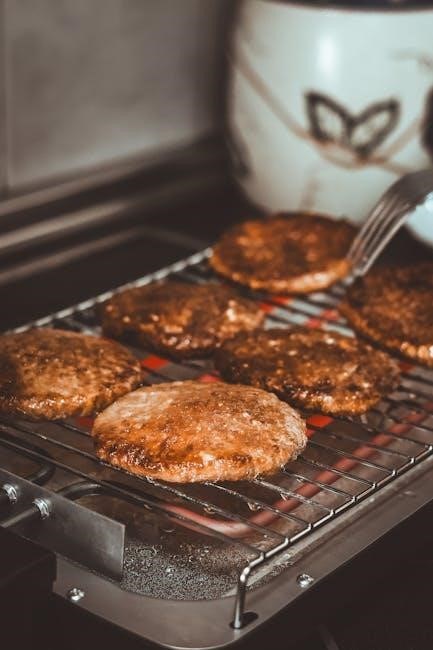
Broil mode on your Hotpoint gas oven utilizes intense, direct heat from the top burner to quickly brown and crisp foods. This is best suited for tasks like broiling steaks, melting cheese on gratins, or toasting bread. Ensure the oven rack is positioned closest to the broiler for optimal results, but monitor closely to prevent burning.
Always use broil-safe cookware and leave the oven door slightly ajar during operation to prevent overheating and ensure proper ventilation. Broiling requires careful attention, as food can cook rapidly under the direct heat source.
Solarplus Grill Setting (High-Speed Grill)
Hotpoint ovens feature a unique Solarplus grill, a high-speed grilling system designed for rapid and efficient cooking. Unlike conventional grills, Solarplus utilizes a specialized burner and reflector to deliver intense, focused heat directly to the food. This results in quicker cooking times and enhanced browning.
To operate, select the Solarplus grill setting on the control panel; Remember to position the oven rack appropriately and monitor food closely, as cooking occurs very quickly. Leave the top oven door fully open during operation for optimal performance and safety.
Self-Cleaning Function
Your Hotpoint gas oven is equipped with a self-cleaning function, simplifying oven maintenance. This high-temperature cycle burns off food residue, leaving the oven interior clean. Before initiating, remove all racks, cookware, and any loose debris. Ensure proper ventilation during the self-cleaning process, as it produces odors and heat.
The cycle duration varies depending on the soil level. After completion, allow the oven to cool completely before wiping away any remaining ash. Always follow the detailed instructions in this manual for safe and effective self-cleaning.

Preparing for Self-Cleaning Cycle
Prior to initiating the self-clean cycle, meticulous preparation is crucial for optimal results and safety. Remove all oven racks, baking stones, thermometers, and any aluminum foil. Wipe up any large spills or excessive grease, as these can create smoke during the high-heat process. Ensure the oven door can fully close and latch securely.
Check for any items lodged in the oven’s heating elements or ventilation areas. Proper preparation minimizes odors and ensures a thorough cleaning cycle. Refer to the full manual for detailed safety precautions.
Running the Self-Cleaning Cycle
To begin the self-cleaning cycle, ensure the oven door is firmly latched. Select the ‘Self-Clean’ function on the control panel, and choose the desired cycle duration – typically ranging from 2 to 4 hours, depending on soil level. The oven will automatically lock during operation, preventing accidental opening.
Avoid opening the door until the cycle is complete and the oven has cooled. A burning smell is normal during self-cleaning. Ensure adequate ventilation in the kitchen. Refer to the manual for specific model instructions.
Post-Cleaning Procedures
Once the self-cleaning cycle finishes and the oven cools completely, carefully wipe away any remaining ash with a damp cloth. Avoid abrasive cleaners, as they can damage the oven’s interior. Inspect the door gasket for any signs of damage and replace if necessary to maintain a proper seal.
Allow for adequate ventilation to dissipate any lingering odors. Reset the clock and oven controls to their desired settings. Ensure all racks are securely replaced before resuming normal oven operation.
Maintenance and Care
Regular maintenance ensures your Hotpoint gas oven operates safely and efficiently. Clean the oven interior after each use to prevent buildup. The oven door, including the glass, should be cleaned with a non-abrasive cleaner. Periodically check and replace the oven light bulb if it burns out, ensuring proper visibility.
Inspect gas connections for leaks and address any issues promptly. Following these simple steps will prolong the life of your oven and maintain optimal cooking performance, guaranteeing delicious results for years to come.
Cleaning the Oven Interior
To clean the oven interior, first ensure the oven is cool and disconnected from power. Remove oven racks and wash them separately with warm, soapy water. For light spills, a damp cloth often suffices. For tougher baked-on residue, use a commercially available oven cleaner, following the manufacturer’s instructions carefully.
Avoid abrasive cleaners that could damage the oven’s surface. After cleaning, rinse thoroughly with a clean, damp cloth and dry before replacing the racks and restoring power. Regular cleaning prevents buildup and ensures optimal performance.
Cleaning the Oven Door
Cleaning the oven door requires a gentle approach to avoid scratches. Use warm, soapy water and a soft cloth to wipe down the glass surface. For stubborn stains, a paste of baking soda and water can be applied, left for a short period, and then gently scrubbed. Avoid abrasive cleaners or scouring pads.
If the door is removable (consult your model’s specific instructions), it can be cleaned more thoroughly. Ensure the door is securely reattached before operating the oven. Regular cleaning maintains visibility and prevents buildup.
Replacing the Oven Light Bulb
Before replacing the oven light bulb, ensure the oven is completely cool and the power is disconnected at the circuit breaker. Locate the bulb cover, usually at the top of the oven interior, and remove it carefully. Note the bulb type (wattage and base) before removal – consult the manual for specifics.
Install a new bulb of the correct type, avoiding touching the glass with bare hands; Reattach the bulb cover securely. If the bulb remains unlit after replacement, check the circuit breaker and consult a qualified technician.
Troubleshooting Common Issues

If your Hotpoint gas oven isn’t heating, first verify the gas supply is on and the igniter is glowing. A gas smell requires immediate attention – evacuate the area and contact your gas company. Ignition problems could stem from a faulty igniter, a blocked burner port, or a malfunctioning gas valve.
For uneven heating, ensure racks are level and not overcrowded. If self-cleaning isn’t functioning, confirm the door is securely locked. Always consult a qualified technician for complex repairs; do not attempt fixes beyond your expertise.
Oven Not Heating
If your Hotpoint gas oven fails to heat, begin by checking the gas supply valve to ensure it’s fully open. Next, observe the igniter; it should glow orange when the oven is set to bake or broil. If the igniter doesn’t glow, a replacement may be necessary. A clicking sound without ignition suggests a gas supply issue or a faulty igniter module.
Verify the oven isn’t in a locked or delayed start mode. If problems persist, consult a qualified technician, as gas appliance repairs require professional expertise for safety and proper function.
Gas Smell Detection
If you detect a gas odor, immediately extinguish any open flames and avoid operating electrical switches. Do not attempt to locate the source of the leak yourself. Open windows and doors to ventilate the area thoroughly.
Evacuate the premises and from a safe location, contact your local gas company or emergency services. Do not re-enter the building until a qualified professional has determined it is safe. Ignoring a gas smell can lead to serious consequences, including fire or explosion;
Ignition Problems
If the oven burner fails to ignite, first ensure the gas supply is turned on. Check that the burner ports are clean and free of obstructions. A faulty igniter is a common cause; listen for a clicking sound when attempting ignition.
If no clicking is heard, there may be an electrical issue. Consult a qualified technician for diagnosis and repair. Repeated ignition failures could indicate a problem with the gas valve or control module, requiring professional attention. Do not attempt self-repair of gas components.
Disposing of Combustion Fumes
Proper ventilation is crucial when operating a gas oven, as combustion produces fumes. Ensure adequate room ventilation to prevent carbon monoxide buildup. Never block or obstruct the oven’s ventilation openings.
The appliance must be installed in a well-ventilated area. Regularly check that the flue or vent pipe is clear and unobstructed to allow for safe disposal of combustion products. If you suspect a gas leak or detect fumes, immediately shut off the gas supply and contact a qualified service technician.
Warranty Information
Your Hotpoint gas oven is covered by a limited warranty against defects in materials and workmanship. The warranty period begins on the original date of purchase. Please retain your proof of purchase for warranty service.
The warranty covers parts and labor for a specified duration. However, it does not cover damage resulting from misuse, improper installation, or lack of proper maintenance. For complete warranty details, including exclusions and limitations, please refer to the separate warranty document included with your oven or visit the Hotpoint website.