
Equate 6500 Blood Pressure Monitor User Manual: A Comprehensive Guide
Welcome! This manual details the Equate 6500, leveraging Google Translate’s power for global accessibility, offering instant translations across 100+ languages for effortless understanding․
The Equate 6500 Blood Pressure Monitor is designed for convenient and accurate home blood pressure monitoring․ This user-friendly device empowers you to proactively manage your cardiovascular health, providing valuable insights into your well-being․ Utilizing advanced technology, the Equate 6500 delivers reliable readings, assisting in the early detection of potential health concerns․
This manual serves as a comprehensive guide, ensuring you understand every feature and function of your new monitor․ We’ve incorporated information reflecting the accessibility of modern tools, like Google Translate, which instantly bridges language barriers, offering translations for over 100 languages․ Regular monitoring, combined with a healthy lifestyle, can contribute significantly to maintaining optimal blood pressure levels and overall health․
What’s Included in the Box
Your Equate 6500 Blood Pressure Monitor package should contain the following items: one (1) Equate 6500 Blood Pressure Monitor unit, one (1) Blood Pressure Cuff (size may vary), and one (1) User Manual – this document! You will also find a Quick Start Guide for immediate setup․ Please ensure all components are present before proceeding․
Should any items be missing or damaged, please contact customer support immediately․ Like accessing information globally through tools such as Google Translate – offering instant translations in over 100 languages – we strive for complete customer satisfaction․ We’ve designed this package to provide everything you need for successful and accurate blood pressure monitoring right out of the box․ Retain the original packaging for potential returns or warranty claims․
Device Overview: Parts Identification
The Equate 6500 features a clear LCD display showing your blood pressure readings, pulse rate, and date/time․ The ‘Start/Stop’ button initiates and halts measurements․ Below the display are memory recall buttons (M1 & M2) to access stored readings․ The cuff connector port is located on the left side of the device, accepting the specialized cuff cable․
On the back, you’ll find the battery compartment, requiring two AAA batteries (not included)․ Similar to how Google Translate instantly connects users across languages, the Equate 6500 connects you to vital health information․ The cuff itself has an inflation bladder and a secure Velcro closure․ Familiarize yourself with these components before use for optimal operation and accurate results․ Proper identification ensures correct setup and monitoring․
Setting Up Your Monitor
Before first use, carefully inspect all components for damage․ Connect the cuff to the main unit by firmly inserting the connector into the designated port․ Ensure a secure connection – similar to how Google Translate establishes a reliable link between languages․ Insert two new AAA batteries into the battery compartment, observing correct polarity (+/-) as indicated․

Set the current date and time using the ‘Set’ button and the memory recall buttons (M1 & M2) to adjust values․ Refer to the display for guidance․ Proper date and time settings are crucial for accurate data storage and recall․ This initial setup, like a precise translation, lays the foundation for reliable monitoring․ Confirm all settings before proceeding to taking your first measurement․

Installing Batteries
The Equate 6500 requires two AAA batteries (not included) for operation․ Locate the battery compartment, typically on the back or side of the device․ Gently slide off the battery cover․ Insert the batteries, strictly adhering to the polarity markings (+ and -) inside the compartment – incorrect insertion will prevent the monitor from functioning, much like a mistranslation renders text incomprehensible․
Ensure the batteries are fully seated and making good contact․ Replace the battery cover securely․ A low battery indicator will appear on the display when battery replacement is needed․ It’s recommended to replace batteries as soon as this indicator appears to maintain accurate readings․ Do not mix old and new batteries, or different battery types․
Attaching the Cuff Correctly
Proper cuff attachment is crucial for accurate readings, similar to how precise translation is vital for clear communication․ Locate the air hose connector on the Equate 6500 monitor․ Firmly insert the cuff’s air hose into this port until it clicks securely․ Position the cuff on your upper arm, approximately one inch above your elbow․
Ensure the artery mark on the cuff aligns with your brachial artery․ The cuff should be snug, but not too tight – you should be able to slide one finger comfortably underneath the edge․ Incorrect cuff placement or tightness can significantly affect results․ Avoid applying the cuff over clothing; bare skin is recommended for optimal accuracy, just as direct language is best for understanding․
Taking Accurate Blood Pressure Readings
To obtain reliable readings with your Equate 6500, preparation is key, much like ensuring accurate translation requires careful attention to detail․ Sit quietly for five minutes with your feet flat on the floor and your back supported․ Avoid caffeine, exercise, and smoking for at least 30 minutes beforehand․
Press the ‘Start’ button and remain still and silent throughout the measurement process․ Do not talk or move your arm․ The cuff will inflate and deflate automatically․ Record your readings immediately after the measurement is complete․ Multiple readings, taken a few minutes apart, can provide a more comprehensive assessment, similar to cross-referencing translations for verification․
Proper Positioning and Technique
Achieving accurate blood pressure readings with the Equate 6500 relies heavily on correct positioning, mirroring the precision needed for accurate language translation․ Sit upright in a chair with your back supported and feet flat on the floor – avoid crossing your legs․
Your arm should be supported at heart level, and the cuff should be placed directly on your bare skin, not over clothing; Ensure the artery marker on the cuff aligns with your brachial artery․ Remain relaxed and still during the measurement; talking or moving can significantly affect results․ Consistent technique ensures reliable data, just as consistent methodology ensures accurate translations․
Understanding the Display Symbols
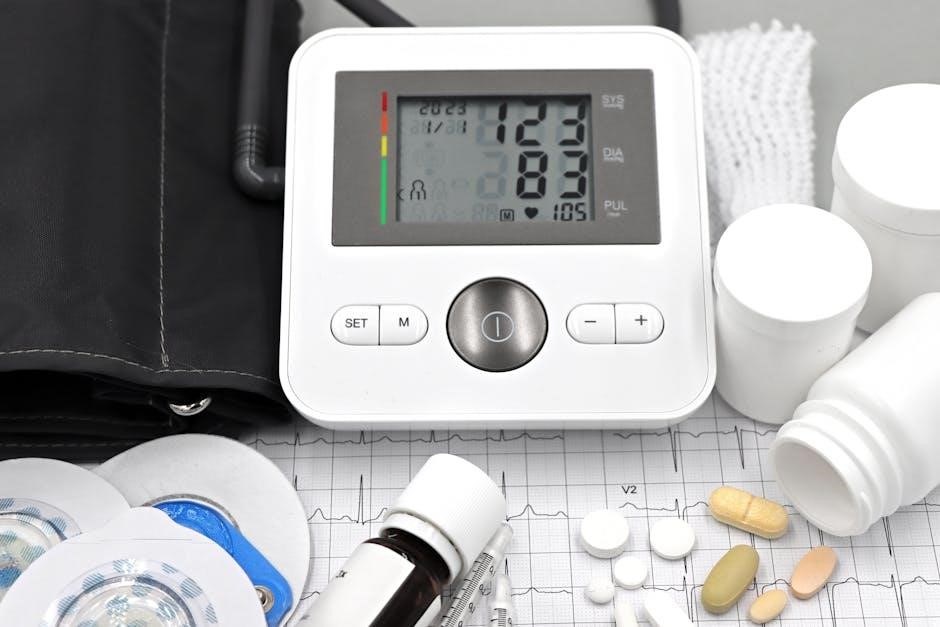
The Equate 6500 utilizes several symbols to convey vital information, much like the symbols used in instant translation services to denote languages․ The heart symbol indicates pulse rate, measured in beats per minute․ Systolic and diastolic pressure are displayed as mmHg values, representing the pressure during heart contraction and relaxation, respectively․
A pulse indicator shows the strength of your pulse․ Error symbols, if illuminated, signal potential issues – refer to the troubleshooting section․ The memory symbol confirms data storage․ Understanding these symbols is crucial for interpreting your readings, similar to understanding the nuances of translated text for accurate comprehension․
Memory Function and Data Storage
The Equate 6500 stores up to 60 readings, allowing you to track your blood pressure trends over time, much like translation services store previous translations for quick access․ Each reading includes systolic and diastolic values, pulse rate, and date/time․ To access stored data, press the ‘Memory’ button․ Repeated presses cycle through your history․

You can view the average reading across all stored values․ This feature helps identify patterns and potential concerns․ Regularly reviewing your data, similar to reviewing translated content for accuracy, is vital for managing your health․ To clear the memory, consult the troubleshooting section for specific instructions․
Interpreting Your Results
Understanding your blood pressure readings is crucial for proactive health management, akin to understanding translated text for accurate communication․ The Equate 6500 displays systolic (top number) and diastolic (bottom number) pressure, alongside your pulse rate․ Normal readings generally fall below 120/80 mmHg․
Elevated readings, between 120-129 systolic and less than 80 diastolic, warrant monitoring․ Readings of 130/80 mmHg or higher indicate high blood pressure, potentially requiring medical attention․ Consistent high readings aren’t a diagnosis, but signal a need to consult a healthcare professional; Remember, individual targets may vary based on health conditions․
Understanding Systolic and Diastolic Pressure
Blood pressure is recorded as two numbers: systolic and diastolic, representing different phases of the heart’s cycle․ Systolic pressure measures the force when your heart beats, pushing blood through arteries – the higher number․ Think of it as the peak pressure during contraction․
Diastolic pressure, the lower number, represents the pressure in your arteries when your heart rests between beats․ It’s the residual pressure while the heart refills with blood․ Both numbers are vital; elevated levels in either indicate potential health concerns․ Understanding these values, much like translating languages, provides a complete picture․ Consistent monitoring with your Equate 6500 helps track changes․

What are Normal, Elevated, and High Readings?
Understanding your blood pressure readings is crucial for maintaining good health․ Normal blood pressure is generally considered to be less than 120/80 mmHg․ Elevated blood pressure ranges from 120-129 systolic and less than 80 diastolic – a warning sign requiring lifestyle changes․
High blood pressure (hypertension) is 130/80 mmHg or higher․ Consistent readings in this range necessitate medical attention․ Like instant translation services bridging language gaps, recognizing these categories bridges understanding of your health․ The Equate 6500 helps you monitor and track these levels, providing valuable data for informed discussions with your healthcare provider․
Troubleshooting Common Issues
Inconsistent Readings: Ensure the cuff is correctly sized and positioned, and you’re relaxed during measurement․ Avoid caffeine or exercise beforehand․ Error Messages: Refer to the ‘Error Codes’ section for specific meanings and solutions․ Like instant translation services resolving communication barriers, troubleshooting addresses operational hiccups․
Device Won’t Turn On: Check battery installation and replace if needed․ Inflating Difficulties: Verify the cuff tubing is securely connected․ If problems persist, contact customer support․ The Equate 6500 is designed for ease of use, but occasional issues may arise․ This section provides initial steps to resolve them efficiently․
Error Codes and Their Meanings
“Err 1” – Motion Error: Indicates movement during measurement․ Remain still and re-test․ “Err 2” – Low Battery: Replace batteries immediately for accurate readings․ “Err 3” – High/Low Pressure: Suggests a cuff issue or potential device malfunction; re-attach the cuff and try again․
“Err 4” – Irregular Heartbeat: May require medical evaluation․ Note the occurrence and consult your doctor․ Similar to how translation services clarify language, error codes pinpoint device issues․ These codes are designed to help you quickly identify and address potential problems, ensuring reliable blood pressure monitoring․ If errors persist, contact customer support․
Cuff Inflation Problems
Insufficient Inflation: Ensure the cuff tube is securely connected to the monitor․ Check for kinks or blockages within the tubing․ A loose connection or obstructed path prevents proper inflation․ Over-Inflation: While the Equate 6500 has safety limits, consistently excessive inflation might indicate a device issue․
Slow Inflation: Often linked to low batteries․ Replace them to restore optimal performance․ Like instant translation bridges communication gaps, proper inflation is crucial for accurate readings․ If problems continue, verify the cuff size is appropriate for your arm circumference․ Contact support if issues persist, as consistent inflation problems may signal a malfunction․
Maintaining Your Equate 6500
Regular Cleaning: Gently wipe the monitor and cuff with a slightly damp cloth․ Avoid harsh chemicals or abrasive cleaners, as these can damage the device․ Like Google Translate maintains accuracy through updates, consistent care ensures reliable readings․
Storage: Store the Equate 6500 in a cool, dry place, away from direct sunlight and extreme temperatures․ Avoid storing it with the cuff tightly wrapped, as this can damage the bladder․ Battery Care: Remove batteries for prolonged storage to prevent leakage․ Inspect the cuff and tubing regularly for signs of wear and tear, replacing them as needed to maintain accuracy and longevity․
Cleaning and Storage
Cleaning Procedure: To clean your Equate 6500, use a soft, slightly damp cloth․ Avoid using strong detergents, alcohol, or abrasive cleaners, as they may damage the monitor’s surface․ Similar to how Google Translate adapts to linguistic nuances, gentle cleaning preserves device functionality․
Proper Storage: Store the monitor in a cool, dry location, protected from direct sunlight and extreme temperatures․ Do not store the cuff wrapped tightly around the monitor, as this can compromise its shape and accuracy․ Ensure the storage area is free from dust and humidity․ Regular, careful storage extends the lifespan of your Equate 6500, ensuring consistent performance․
Battery Replacement Guidelines
Low Battery Indicator: The Equate 6500 features a low battery indicator on the display․ When this appears, replace the batteries promptly to ensure accurate readings․ Just as Google Translate requires power to function, your monitor needs fresh batteries for reliable operation․
Battery Type & Installation: Use two new, alkaline AA batteries․ Ensure correct polarity (+ and -) when installing․ Remove old batteries completely to prevent leakage․ Dispose of used batteries responsibly, following local regulations․ Incorrect battery installation can damage the device․ Regular battery checks and timely replacements are crucial for consistent and accurate blood pressure monitoring with your Equate 6500․
Safety Precautions and Warnings
Important Safety Information: This device is for home use only and not a substitute for professional medical advice․ Like Google Translate, which provides interpretations, this monitor offers readings, not diagnoses․ Do not use on infants or small children; Consult your doctor before use if you have certain medical conditions․
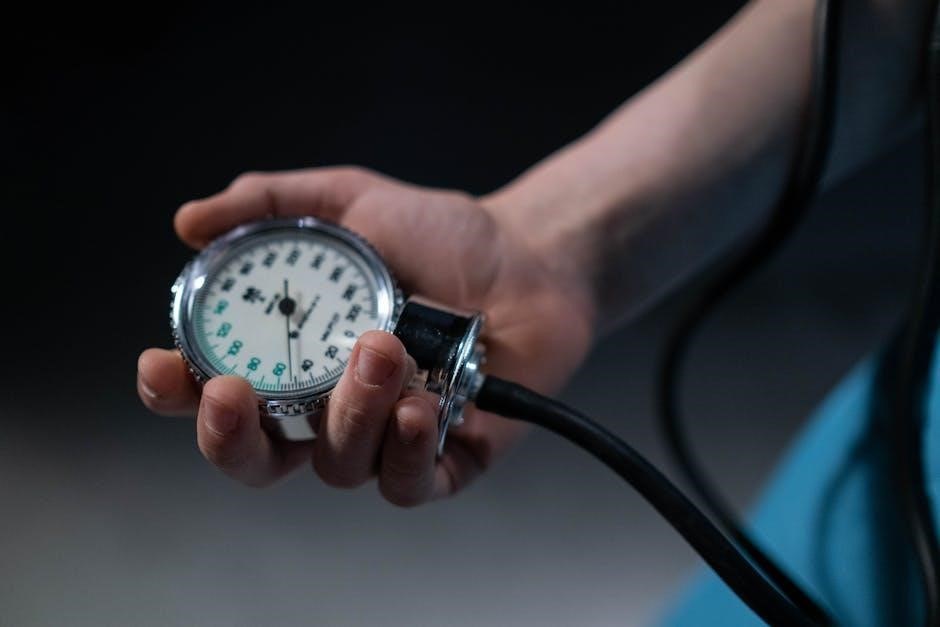
Precautions: Avoid using the monitor during exercise or while smoking․ Do not disassemble or modify the device․ Keep it away from water and extreme temperatures․ Ensure the cuff is not applied over injured areas․ Regularly check for damage to the cuff and tubing․ Misuse can lead to inaccurate readings․ Always prioritize safety and consult a healthcare professional for any concerns․
Important Considerations for Use
Enhancing Accuracy: Similar to how Google Translate improves with user feedback, consistent and proper use enhances the reliability of your Equate 6500 readings․ Measure at the same time each day, ideally in a quiet environment․ Avoid caffeine, alcohol, and exercise for at least 30 minutes before measurement․
Multiple Readings: Take two or three readings, spaced a few minutes apart, and record the average․ This minimizes the impact of temporary fluctuations․ Share your readings with your doctor regularly․ Remember, this device is a tool for monitoring, not diagnosing․ Consistent tracking, like consistent translation, yields better results․ Always follow your healthcare provider’s guidance․
When to Consult a Doctor
Seek Medical Advice: Just as Google Translate isn’t a substitute for a human translator, your Equate 6500 isn’t a replacement for professional medical evaluation․ Consult your doctor if you consistently experience readings outside the normal range (see “Interpreting Your Results”)․
Concerning Symptoms: Immediately seek medical attention if you experience severe headaches, nosebleeds, vision changes, chest pain, or shortness of breath alongside elevated blood pressure readings․ Don’t self-treat based solely on monitor results․ Regular check-ups and open communication with your healthcare provider are crucial for managing your health effectively․ This device provides data; your doctor provides the interpretation and care plan․