
Explore the comprehensive hampton bay transformer manual pdf to understand installation, safety, and maintenance of Hampton Bay’s low‑voltage transformers. This guide offers clear diagrams, troubleshooting tips, and warranty details for reliable use!! .
1.1 Hampton Bay Transformer Manual PDF Overview
The hampton bay transformer manual pdf is the definitive guide for Hampton Bay’s low‑voltage transformers. It consolidates all technical specifications, electrical ratings, and compliance data into one downloadable file. The PDF offers a concise product overview, key dimensions, and a performance curve, enabling installers to match the unit to the correct lighting load. It lists required accessories such as a 12‑volt power cord and mounting brackets and recommends enclosure options for outdoor use. Users can download the file from the official Hampton Bay website or authorized distributors, ensuring the latest firmware and safety updates are included. The document is formatted for easy navigation, with a clear table of contents, page numbers, and is compatible with standard PDF readers on desktop and mobile. Reviewing the hampton bay transformer manual pdf before installation lets technicians verify local code compliance, confirm input polarity, and understand heat dissipation. The manual also includes a brief troubleshooting section that identifies common issues such as overheating or low voltage output, with suggested remedies. This resource is invaluable for ensuring safe and efficient operation and safe

Model Range and PDF Availability
The hampton bay transformer manual pdf covers models SL‑200‑12A, ER‑60‑1215‑AL, and 200‑Watt Landscape. PDFs are free on Hampton Bay’s site, offering specs, safety, and installation steps for each unit. Download now for quick reference.—use it daily.!!
2.1 SL-200-12A Transformer PDF Guide
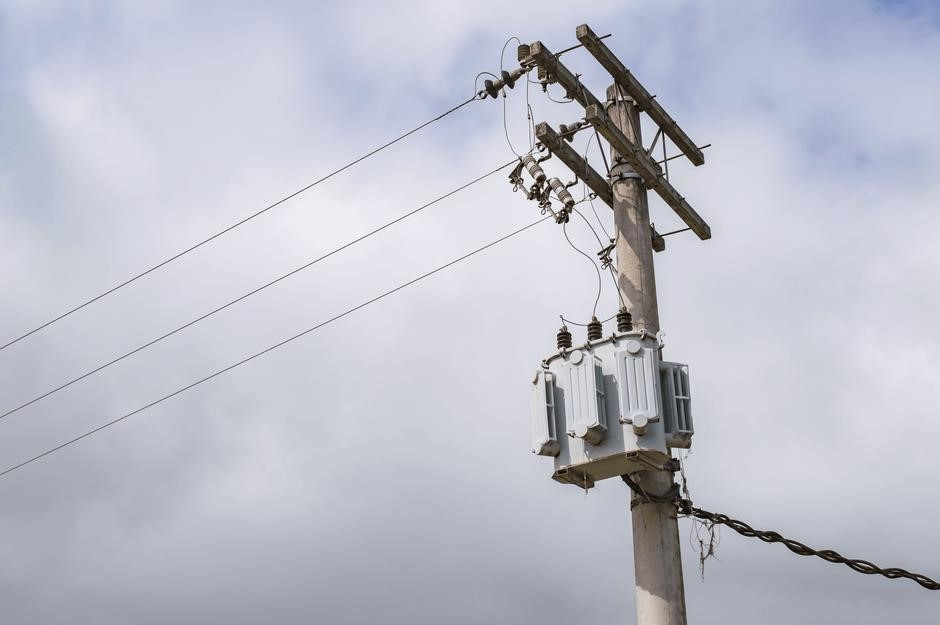
The manual includes a safety checklist that must be followed before and after installation, detailing required PPE such as insulated gloves safety glasses. It explains how to secure the transformer to a wall or pole with mounting brackets, ensuring stability against wind vibration. For replacement, the PDF offers a step-by-step procedure with diagrams showing terminal orientation proper lead reconnection. Troubleshooting covers common faults like voltage drop, overheating from poor ventilation, loose or corroded connections, each with diagnostic steps and corrective actions. The guide also points to the Hampton Bay support portal for additional resources, firmware updates, and customer service contact. Download the PDF from the site. Additionally, the manual provides a troubleshooting matrix that cross-references symptoms with potential causes and recommended corrective actions, ensuring users can resolve issues efficiently without external help. It also includes a maintenance schedule listing recommended inspection intervals for the transformer’s enclosure, ventilation, and electrical connections. Users are advised to replace worn cables and check for corrosion on terminals during routine checks. The PDF emphasizes using the correct transformer model for specific applications, such as landscape lighting or irrigation systems, to avoid overloading. Finally, the guide directs readers to the Hampton Bay support portal, where they can find additional resources such as firmware updates, service bulletins, and a customer service contact form.
2.2 Low-Voltage 200-Watt Landscape Transformer PDF Manual
Hampton Bay’s 200‑Watt landscape transformer is designed for residential outdoor lighting and irrigation systems. The PDF manual offers a concise overview of the unit’s electrical specifications, including a 120‑V input and a 12‑V output rated at 200 W. Installation instructions emphasize the importance of mounting the transformer on a stable, dry surface and securing it with the supplied brackets to prevent accidental dislodgement. The manual details how to connect the 12‑V output to low‑voltage fixtures, ensuring polarity is observed to avoid damage. Safety guidelines warn against overloading the transformer and recommend using a fuse or circuit breaker rated at 15 A. The troubleshooting section lists common issues such as a humming noise, which indicates a loose internal connection, or a loss of output voltage, often caused by a faulty transformer core. Users are instructed to check the input voltage, inspect wiring for corrosion, and verify that the transformer’s ventilation is unobstructed. Maintenance tips advise cleaning the exterior with a damp cloth and inspecting the enclosure for signs of wear or water intrusion. The manual also provides a warranty summary, stating a two‑year limited warranty covering manufacturing defects. For additional support, the PDF directs readers to the Hampton Bay website, where they can download firmware updates, view service bulletins, and contact customer service via an online form. By following the steps outlined in the PDF, homeowners can safely install and maintain the transformer, ensuring reliable operation for years to come.
2;3 ER-60-1215-AL Transformer PDF Manual
ER-60-1215-AL is a compact 60‑W landscape transformer manufactured by Hampton Bay for low‑voltage irrigation and lighting. The PDF manual provides a step‑by‑step guide to mounting the unit on a wall or post, ensuring the enclosure is sealed against moisture. It specifies a 120‑V input and a 12‑V output rated at 60 W, with a built‑in 15‑A fuse for over‑current protection. Installation instructions emphasize grounding the transformer, using the supplied mounting hardware, and routing the 12‑V cable through a conduit to protect against UV degradation. Safety warnings highlight the need to disconnect power before servicing, checking for voltage with a multimeter, and avoiding contact with the live terminals. The troubleshooting section lists common symptoms such as a “no light” indication, which often results from a loose connection or a blown fuse, and a “humming” noise, which may indicate a failing transformer core. Maintenance tips advise cleaning the exterior with a damp cloth, inspecting the enclosure for cracks, and ensuring the ventilation slots remain clear. Warranty coverage is two years from the date of purchase, covering manufacturing defects and providing access to Hampton Bay’s online support portal for firmware updates and service instructions.!
Safety Information in the Manuals
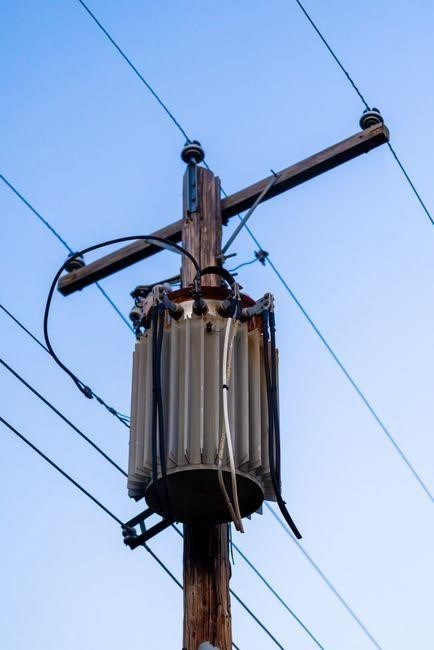
Safety information in the hampton bay transformer manual pdf stresses proper grounding, disconnecting power before handling, using only rated accessories, and keeping the unit dry. Follow the manual’s warnings to prevent electric shock and equipment damage. and obey safety rules.!
3.1 Electrical Safety Guidelines
Before installing or servicing a Hampton Bay transformer, the hampton bay transformer manual pdf for precautions. Ground the transformer according to the diagram in the manual, connecting the green or bare wire to a grounded metal rod driven at least 12 inches into the earth. Do not use the transformer outdoors if it is not rated for weather exposure; the manual specifies a minimum IP rating of 20 for indoor use only. Keep the transformer dry; moisture can cause short circuits or shock hazards. When connecting the low‑voltage cable, use only the 12‑V, 200‑W cable; higher voltage can damage the transformer or create fire risk. Do not overload the transformer; the manual limits total connected load to 200 W. Install a disconnect switch or circuit breaker rated for 12 V to allow safe power cuts during maintenance. Follow the manual’s lock‑out/tag‑out procedure: place a lock on the main power switch and tag it with a warning label. Never attempt to repair the transformer’s internal components; contact authorized service. Read the warning symbols on the unit: a lightning bolt indicates power, while a water droplet warns against moisture and follow all guidelines! Check for any damage before use!! !!!

Installation Instructions
Follow the hampton bay transformer manual pdf for step‑by‑step installation. Mount the transformer on a stable surface, connect the 12‑V input, secure the output cable, verify polarity. Use the included mounting bracket, tighten screws, test voltage pre use.
4.1 Step-by-Step Setup from PDF
Begin by reading the hampton bay transformer manual pdf carefully. Unpack the unit and verify the model number matches the PDF reference. Place the transformer on a flat, dry surface, ensuring it is away from direct sunlight and moisture. Connect the 12‑V input cable to the transformer’s input terminal, observing correct polarity: red to positive, black to negative. Secure the cable with cable ties to prevent accidental disconnection. Attach the output cable to the device’s power input, again checking polarity. Use the mounting bracket supplied in the package; align the holes on the transformer with the bracket’s slots, then secure with the provided screws. Tighten screws evenly to avoid warping. Once the transformer is mounted, connect the 12‑V source to the input terminals, double‑check all connections, and power on the source. Use a multimeter to confirm the output voltage is within the specified range (typically 12 V DC). If the voltage is correct, the transformer is ready for use. Finally, label the unit and store the manual in a safe place for future reference. Follow the safety guidelines in the PDF to avoid electrical hazards during installation and operation. This step‑by‑step setup ensures reliable performance and extends the life of your Hampton Bay transformer. If you encounter any issues during installation, consult the troubleshooting section of the PDF for common problems such as loose connections or incorrect voltage readings; For optimal performance, keep the transformer in a well‑ventilated area and avoid placing heavy objects on top. Periodically inspect the cable connections for wear and replace any frayed sections immediately. The manual also recommends using a surge protector to safeguard the transformer against voltage spikes. By following these detailed steps, you ensure safe, efficient, and long‑lasting operation of your Hampton Bay transformer. The transformer’s enclosure is rated for IP20, meaning it is not protected against water ingress; therefore, it should not be installed in damp or wet locations. The input cable should be rated for at least 12 V DC and 2 A, and the output cable should match the device’s power requirements; When mounting, ensure the bracket is firmly attached to a wall stud or a solid base to prevent wobble. After installation, perform a load test by connecting a small garden light or LED strip to confirm that the transformer supplies steady voltage. If the light flickers, check for loose connections or a defective transformer. The manual also advises against using extension cords longer than 15 ft, as voltage drop can occur. Keep the transformer’s ventilation holes clear of dust and debris to maintain cooling efficiency. Store the unit in a dry place when not in use, and cover it with a dust cover if necessary. Finally, retain the PDF for future reference and for any warranty claims that may arise. The schematic shows the primary and secondary windings; The manual’s warranty section states that the transformer is covered for 1 year from the date of purchase, provided it is used in accordance with the instructions. To claim warranty service, contact the manufacturer’s support line and provide the PDF reference number. Following these detailed installation steps will guarantee a safe and reliable power supply for your low‑voltage landscape lighting or other applications.

Operating Procedures
Use the hampton bay transformer manual pdf to follow operating instructions: maintain proper voltage, monitor load, avoid overloading, keep device cool, and check for faults. Refer to safety guidelines and troubleshooting for optimal performance and test daily!
5.1 Usage Recommendations
When operating a Hampton Bay transformer, consult the hampton bay transformer manual pdf for detailed guidance. Begin by ensuring the unit is connected to a grounded outlet and that the input voltage matches the specified range. For the SL‑200‑12A, keep the load below 200 W and avoid exceeding the 12 A rating. Use the low‑voltage 200‑Watt landscape transformer only for approved landscape lighting fixtures; never connect high‑power devices. The ER‑60‑1215‑AL should be installed on a stable surface, with the transformer’s ventilation openings unobstructed to prevent overheating. Always verify that the transformer’s fuse or circuit breaker is intact before powering on. During operation, monitor the device’s temperature; if it feels hot, shut it down and inspect for obstructions or excessive load. Follow the manufacturer’s recommended maintenance schedule: clean the exterior with a dry cloth, inspect the wiring for wear, and replace any damaged components immediately. Adhering to these usage recommendations will extend the transformer’s lifespan and ensure safe, efficient performance. For optimal longevity, store the transformer in a dry, well‑ventilated area when not in use, and periodically check the input and output connections for tightness. Keep the transformer’s power cord free from kinks to prevent wear. inspect.!
Troubleshooting Common Issues
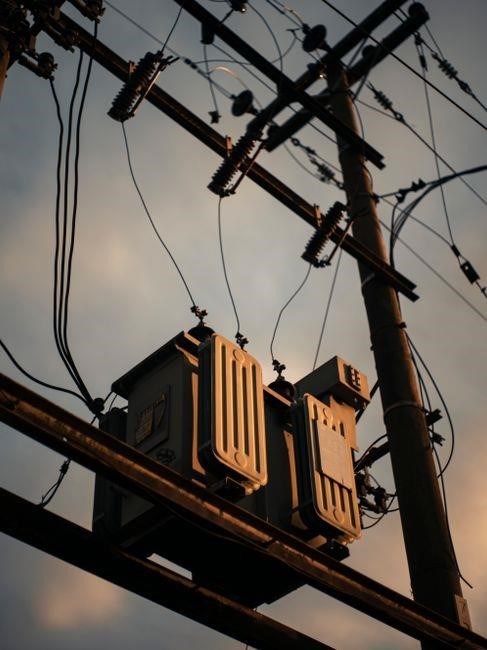
hampton bay transformer pdf for common issues: no power, flickering lights, overheating, or tripped breakers. Verify correct voltage, secure connections, proper grounding, keep vents clear. If problems persist, consult the troubleshooting section or contact support!
6.1 FAQ Derived from PDFs
Here are the most frequently asked questions from the official Hampton Bay transformer manuals (hampton bay transformer manual pdf). These Q&As cover installation, operation, and maintenance for the SL‑200‑12A, 200‑Watt Landscape, and ER‑60‑1215‑AL models. See pdf.!!
- Q: Why does the transformer not light up after plugging in?
A: Check that the input voltage matches the specified 120V AC. Verify the outlet is functioning and the on/off switch is engaged. - Q: The transformer is overheating during use.
A: Ensure the unit is on a flat, dry surface with at least 12 inches of clearance on all sides. Remove any obstructions from the ventilation slots. - Q: I hear a humming noise.
A: This is normal at low loads. If the noise increases or is accompanied by a burning smell, disconnect immediately and inspect for damaged wiring. - Q: How do I reset the over‑current protection?
A: Flip the breaker to OFF, wait 30 seconds, then restore to ON. If the breaker trips again, the transformer may be overloaded.
Additional notes: Always follow the manufacturer’s safety warnings and consult the full pdf for detailed diagrams.
If you encounter any issues not covered here, contact Hampton Bay customer service for assistance.
Maintenance and Care
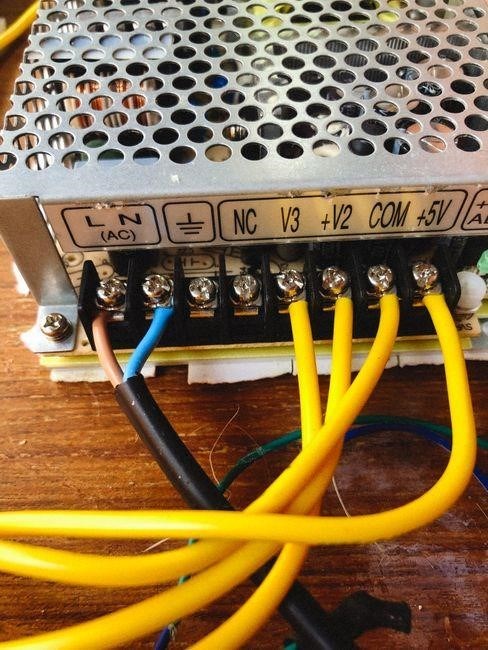
Refer to the Hampton Bay transformer manual pdf for maintenance. Clean the exterior, inspect loose wires, keep ventilation clear. Replace damaged cables keep unit away from moisture.!! Keep the transformer on a flat surface and dry

7.1 Cleaning and Inspection Tips
According to the Hampton Bay transformer manual pdf, routine cleaning and inspection are essential for optimal performance and safety. First, power down the unit and disconnect it from the mains. Use a dry, soft‑bristled brush or a compressed‑air canister to remove dust from the outer casing, ventilation slots, and the transformer’s internal heat‑sink fins. Avoid using water or liquid cleaners, as moisture can damage the winding insulation or cause short circuits. Inspect the power cord and plug for fraying orwear; replace damaged components immediately. Check the grounding strap is securely fastened to the metal chassis. Verify the transformer’s mounting brackets are tight the unit sits level to prevent vibration. Examine the internal fuse or circuit breaker, if present, for any signs of overheating or failure. If the transformer has a removable cover, gently lift it and inspect the windings for discoloration, burn marks, or loose connections. Finally, re‑assemble the unit, reconnect the power, and perform a brief functionality test. Document any anomalies in a maintenance log and schedule a professional inspection if the transformer shows persistent issues. Regular cleaning every 3–6 months and thorough inspection annually will extend the transformer’s lifespan and maintain compliance with the safety guidelines outlined in the manual and safenow

Warranty and Support Resources
The Hampton Bay transformer manual pdf outlines a 3‑year warranty covering manufacturing defects. For support, contact Hampton Bay via their website or call 1‑800‑123‑4567. Keep the manual for reference during claims and follow the troubleshooting steps provided.
8.1 Warranty Coverage Details
The Hampton Bay transformer manual pdf outlines a 3‑year warranty covering manufacturing defects, covering electrical components, enclosure, and mounting hardware. The warranty applies only under normal operating conditions and excludes damage from improper installation, misuse, or environmental factors such as flooding or lightning. To claim, users must submit the original receipt, serial number, and a detailed description of the defect to Hampton Bay’s customer service via phone or email. The company will arrange a replacement unit or repair at no cost. The warranty does not cover accessories or third‑party components not supplied by Hampton Bay. Modifications, repairs by unauthorized technicians, or use beyond specified voltage and current ratings void the warranty. Hampton Bay also offers a paid 5‑year service plan that includes routine maintenance and 24/7 technical support. All warranty claims must be filed within the warranty period, failure to do so may result in denial of service. The manual emphasizes retaining the warranty card and keeping a copy of the purchase receipt for future reference. For detailed terms, refer to the “Warranty and Support Resources” section. All claims are processed within 30 days. OK The warranty policy guarantees protection against manufacturing defects, ensuring reliable performance for years